Flora of the Northern Sierra Nevada
Dates: June 21-26, 2026
Instructor: Tanya Baxter
Fee: $500 + meals and accommodations fees
Term: Summer 2026
Course Description
"All that the sun shines on is beautiful, so long as it is wild." John Muir
Whether you’re just beginning your plant identification journey or looking to sharpen advanced skills, this immersive course will deepen your confidence and fluency in identifying Sierra Nevada plants. You’ll learn how to work effectively with regional floras and navigate dichotomous keys, transforming what can feel overwhelming into a handy guide.
Through hands-on practice, we’ll explore diagnostic characteristics of eight flowering plant families and select conifers. Instruction will integrate morphological terminology, pattern recognition, sketching, and repeated practice with taxonomic keys—supporting multiple learning styles and reinforcing long-term retention. Participants will develop a personalized framework (and field-ready guide) for learning and recognizing Sierra plants.
Mornings will be spent in the lab building foundational skills, followed by afternoon hikes to apply concepts in the field, with several all-day excursions. Field days will explore the Sierra Buttes and nearby botanical hotspots, featuring moderate, high-elevation hikes with approximately 1,200 feet of elevation gain. Participants of all experience levels are welcome.
For those who wish to prepare in advance, a review of basic morphological terms in the Jepson Manual, Second Edition glossary is encouraged—but not required.
Students will learn:
• basic plant structure
• principal plant families of the region
• basic plant ID terminology
• common species of trees and shrubs of the region
• how to identify vascular plants with the aid of a manual
Instructor Bio
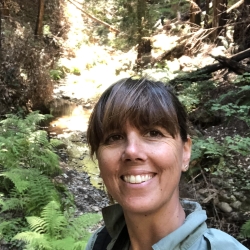
Tanya is a botanist and ecologist. A love for the Sierra, she has surveyed 12,000 acres of post-fire flora for Yosemite National Park and recently surveyed rare serpentine pine forests of Plumas County. Tanya served for the National Park Service for 10 years, much of it as a project manager in restoration ecology. She holds a masters in science from San Francisco State University in Ecology and Evolutionary Biology. A scientist, naturalist and storyteller, she evokes a sense of awe and interconnectedness of botany into the lives of her participants. You may contact Tanya @ tanyabaxter10@gmail.com or learn more at Tanya's Baxter Botanical website.
Course Details
Course Schedule
Mornings start at 8/8:30a.m after breakfast. We review major plant families for the first half of the day and utilize the surrounding botanical hotspots for afternoons. There will be 1 or 2 full day hikes to the region and the stunning sierra buttes. Hikes of 1500ft elevation max at a botanist pace. (Note hiking poles are helpful along with standard sturdy footwear and layers for changing sierra temperatures). Lunch will be on campus on three days and off site for all day field trips. There will be free time prior to dinner to explore the adjacent North Yuba River. Evenings will be set aside for optional open keying sessions. Due to snow melt bloom destinations of field trips are subject to change. Course ends Friday after lunch.
Car pooling: We will be driving short distances to field sites, and this will require some car pooling. The longest distance will be slightly over 50 miles.
Terrain: The sierra buttes area is steep with uneven terrain, please plan for altitude adjustment if coming from lower elevations.
Supplies List
Clothing: Bring good walking shoes. Most days will be gentle with regard to walking, but on Thursday we may hike to the top of the Sierra Buttes. Plan for all kinds of weather. Days should be warm, but evenings can be cool. Bring short pants for warm hikes, and/or long pants for mosquito protection. It frequently rains in the Sierra in late June. Most of all, bring a hat and sunscreen for protection. Old sneakers, rubber boots, or hip-waders may come in handy for marsh prowling.
Hand lens: Everyone must have their own hand lens. There is no place where you can buy a lens near the field station. Amazon sells them, so do many University bookstores. They vary in cost from a few dollars to around $40. They're like wine — the more you pay, in general the better the quality. You'll want at least a 10X and no higher than a 14X. As soon as you buy one, tie a lanyard around it so you won't lose it.
Supplies: field notebook, 10 cm ruler, tweezers
Text: Jepson Manual of California Plants, 2nd edition (optional)
Lodging and Camping Supplies
Camping gear if you are staying on campus:
- tent and sleeping pad (unless you are staying in our tent with a cot provided)
- warm sleeping bag
- pillow, toiletries, and towel
- flashlight and lantern
- alarm clock
Field gear for everyone:
- day pack
- sunscreen
- insect repellant
- water bottles
- plastic containers for packed lunches
- sense of humor
You might also want to bring:
- camera
- binoculars
- hand lens
- camp chair
Clothing:
The weather in the Sierra Nevada can vary greatly, even in a single day. Be prepared for chilly temperatures at night, even below freezing early in the summer. Rain is a possibility any time, whether forecast or not. Variable weather clothing that can be layered is best: long pants and a long-sleeved shirt, warm sweater and jacket, t-shirt and shorts or skirt, sturdy shoes or hiking boots, sun hat, rain gear, and a warm hat or gloves for cold weather and/or night activities. And, if you come later in the season, bring your swimsuit for afternoon dips in the lakes!