Dates: Aug 23-26, 2026
Instructor: Martin Sirk and Tanya Baxter
Fee: $330.00 + meals and accommodations fees
Term: Summer 2026
Workshop Description
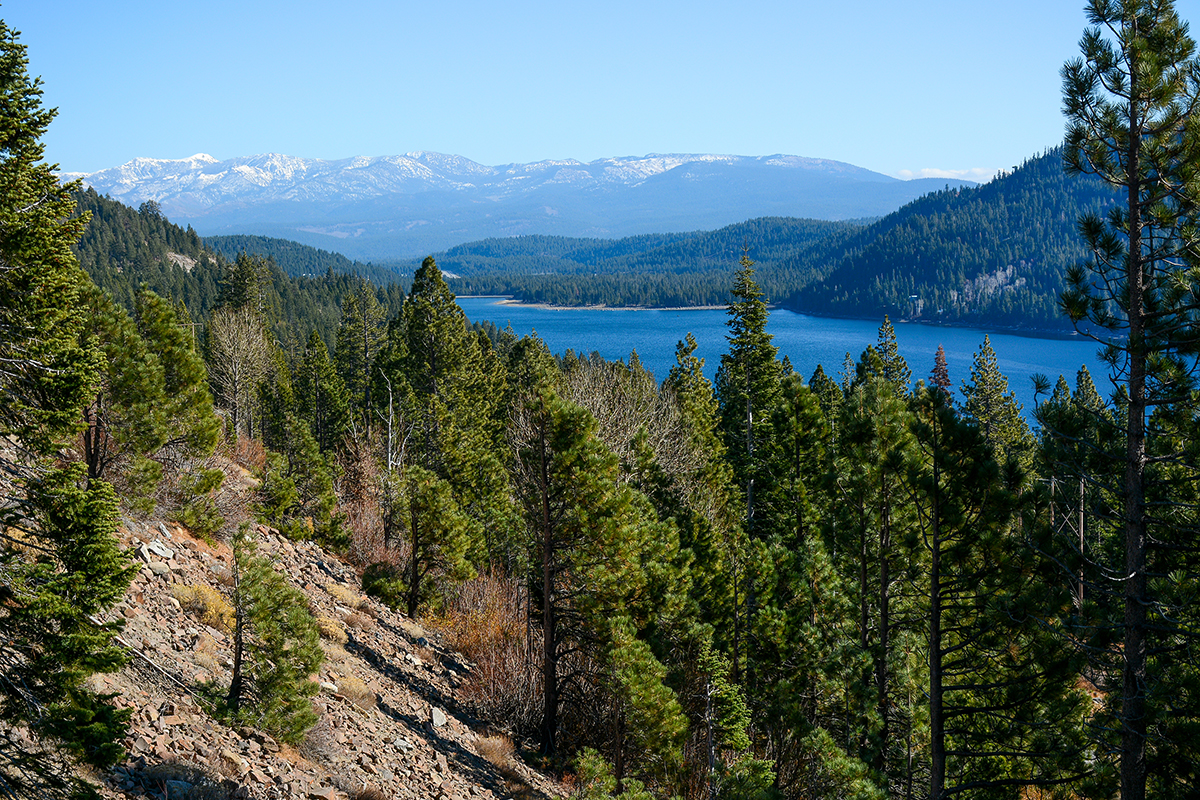
Explore the geologic, glacial, and botanical history of the Gold Lakes Basin, a landscape shaped by Pleistocene ice and distinguished by its remarkable biological diversity. Through a combination of morning lectures and afternoon moderate-level field hikes, participants will examine how glacial basins, moraines, and hydrologic patterns of the Lost Sierra have influenced present-day plant communities.
The Gold Lakes Basin is an ecological legacy of post-glacial conditions persisting for more than 14,000 years—allowing flora to thrive well into late summer. Students will learn to recognize plant distribution patterns and develop an understanding of what grows where, and why, by integrating geology, climate, and ecology.
An evening telescope session will broaden perspective through guided nighttime star and planetary viewing. Placing the Sierra landscape within the broader context of Earth’s position in the universe we’ll illuminate how planetary rotation influences the climatic patterns we experience today. This introductory course in the natural history of the northern Sierra is designed for learners of all backgrounds, from beginners to experienced naturalists. A 10× hand lens is recommended for close observation in the field.
Instructor Bio
Martin Sirk works as a researcher at U. C. Berkeley’s Space Science Laboratory. An alumnus of U.C. Santa Cruz, he has worked on the Hubble Space Telescope, the Extreme Ultraviolet Explorer, and half a dozen other NASA missions. He is currently working on the Keck Planet Finder spectrometer. Martin took up amateur astronomy in high school and built his first telescope at age 15. He has been teaching this course since 2000 and has been praised as being able to explain complex scientific concepts in clear, easy-to-understand language. An amateur naturalist, he has made hundreds of forays into the Sierra in all seasons.
Instructor Bio
Tanya Baxter is a botanist and ecologist. A love for the Sierra, she has surveyed 12,000 acres of post-fire flora for Yosemite National Park and recently surveyed rare serpentine pine forests of Plumas County. Tanya served for the National Park Service for 10 years, much of it as a project manager in restoration ecology. She holds a masters in science from San Francisco State University in Ecology and Evolutionary Biology. A scientist, naturalist and storyteller, she evokes a sense of awe and interconnectedness of botany into the lives of her participants. You may contact Tanya @ tanyabaxter10@gmail.com or learn more at Tanya's Baxter Botanical website.
Workshop Details
Workshop Schedule
Sunday night
Welcome lecture, intro to instructors and students
Monday
Overview - Geologic history
How the sierra was formed
Glaciation and moraines
Afternoon
Field trip- explore the geologic features of Gold Lakes
Evening
Night viewing of stars with telescopes
Tuesday
Plants of the Gold Lakes Basin
What grows were, plant ecology
Plant identification patterns
Afternoon- Bear Lakes Loop hike
Geology and plant exploration
Evening
Lecture on special plant species of Gold Lakes
Wednesday
Field hike on fire ecology and climate change
Workshop Supplies List
Curiosity and a willingness to learn
10x handlens with loop
Notebook
Binoculars (optional)
Lodging and Camping Supplies
CAMPING GEAR IF YOU ARE STAYING ON CAMPUS
- tent and sleeping pad (unless you are staying in our tent with a cot provided)
- warm sleeping bag
- pillow, toiletries, and towel
- flashlight and lantern
- alarm clock
FIELD GEAR FOR EVERYONE
- day pack
- sunscreen
- insect repellant
- water bottles
- plastic containers for packed lunches
- sense of humor
YOU MIGHT ALSO WANT TO BRING
- camera
- binoculars
- hand lens
- camp chair
CLOTHING
The weather in the Sierra Nevada can vary greatly, even in a single day. Be prepared for chilly temperatures at night, even below freezing early in the summer. Rain is a possibility any time, whether forecast or not. Variable weather clothing that can be layered is best: long pants and a long-sleeved shirt, warm sweater and jacket, t-shirt and shorts or skirt, sturdy shoes or hiking boots, sun hat, rain gear, and a warm hat or gloves for cold weather and/or night activities. And, if you come later in the season, bring your swimsuit for afternoon dips in the lakes!