Dates: August 30 - September 4, 2026
Instructor: Kevin McLin and Aaron Lewis
Fee: $395.00
Term: Summer 2026
Workshop Description
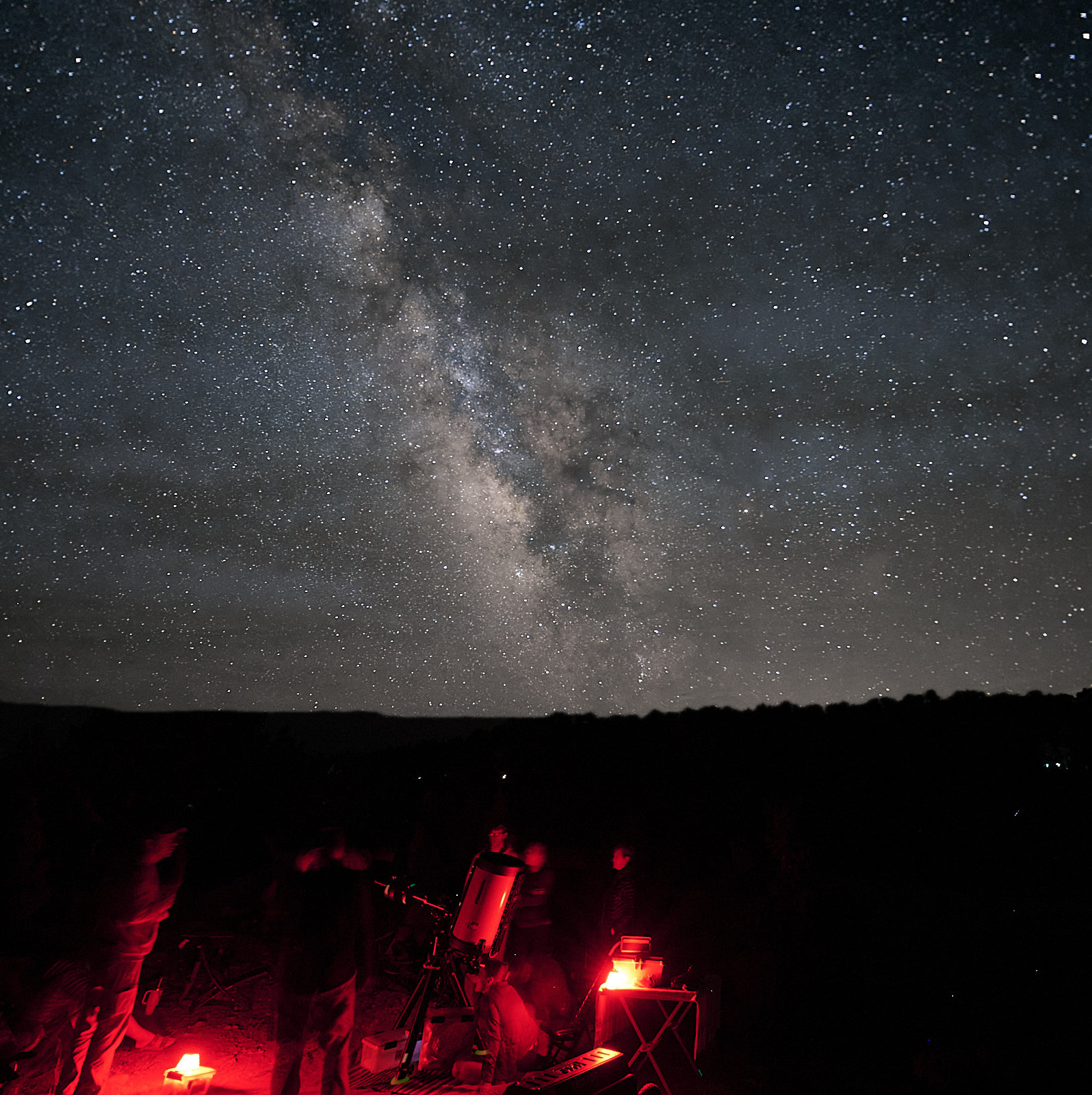
This course will be a five day / four night hands-on exploration of the night sky, customized to the personal learning goals of the students. Afternoon sessions will introduce concepts involving methods for finding one’s way around the sky, how celestial objects move in the sky throughout the night and the year, and how the sky can be used for basic navigation and time keeping. Planets, moons, stars, nebulae, star clusters, galaxies and other celestial bodies will be described with a focus on appreciating them through observation, the scale of our Universe, and understanding our place within it. To prepare for evening observing sessions, the class will learn how to use paper star charts as well as smartphones, tablets, or laptops to plan observing sessions and to help locate and learn about celestial objects. Hands-on evening sessions will teach visual observing in the dark Sierra skies with both the naked eye and instructor-provided binoculars and telescopes. Optionally students can learn to capture images with smart phones, smart telescopes and dedicated astrophotography equipment (small groups will allow students to choose their focus area). Students are encouraged to bring their own equipment for professional tips, tricks, and expert advice from seasoned astronomers on how to optimize their own night sky adventures.
Instructor Bio
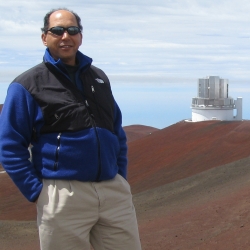
Kevin McLin has had a life-long interest in astronomy, and he has been involved in astronomy outreach and education since college. After completing a PhD in astrophysics he has had a career in astronomy and physics education and outreach that has spanned more than two decades, working on projects funded by NASA, the NSF and other agencies. He continues to work with college and high school students on observational astronomy projects and to volunteer in science education and outreach around his native Northern California and other regions as opportunity allows.
Instructor Bio
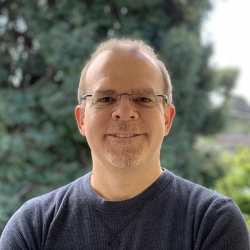
Aaron Lewis was hooked on stargazing in the dark skies of the Sierra as a child. He has a PhD in astrophysics, and published articles on clusters of galaxies, dark matter and cosmology. He is a professional astronomer guide for international solar eclipse tours, and enjoys backyard and community night sky observing with binoculars, small and large visual and digital smart telescopes. He gives guest lectures in high school physics and astronomy classes, participates in star parties, and tutors AP Physics. He is a regular volunteer with the East Bay Astronomical Society’s telescope outreach programs bringing the universe to K-12 schools around the San Francisco bay area.
Workshop Details
Workshop Schedule
Afternoon classes are 1-5 PM, and evening observing sessions are 7:30 PM - midnight.
Plan to arrive Sunday for dinner @ 6pm followed by informal orientation to our evening observing.
The first afternoon class on Monday is at 1PM, and Thursday night is the last evening observing session. Note that students depart after breakfast on Friday.
The sun sets at about 7:40PM this time of year, and twilight ends about 9:10PM. The moon will rise at about 9PM on Monday, then later each day until 11PM on Thursday, increasing our time with darkest skies as the week progresses.
Workshop Supplies List
Supplies List and other Useful Items:
In addition to general needs at right, for this course bring:
Lots of WARM CLOTHING (hat, gloves, parka with hood) for the cold, late-night observing sessions, a DIM headlamp/flashlight with a RED lens.
Optional: A portable chair or camp stool that allows you to lean back, and/or camp blanket for lying down and stargazing.
Telescopes and binoculars are provided, but you are encouraged to bring your own equipment if you have it and learn to use it under dark skies (telescopes, binoculars, cameras, smart phones, tripods, etc.).
Spare batteries/power banks for your gear (no electricity at observing site).
Any apps/software for smartphones or laptops you want practice or guidance with SHOULD BE LOADED IN ADVANCE (internet access is extremely limited, and you should expect NO cell service).
Suggested (not required) Apps:
Planets (free)
Stellarium Mobile (free)
Clear Outside (free)
AstroShader (free)
Paid apps we find useful, you may consider:
SkySafari 7 Plus ($)
NightCap Camera ($)
SkySafari 8 Pro ($$)
Lodging and Camping Supplies
CAMPING GEAR IF YOU ARE STAYING ON CAMPUS
- tent and sleeping pad (unless you are staying in our tent with a cot provided)
- warm sleeping bag
- pillow, toiletries, and towel
- flashlight and lantern
- alarm clock
FIELD GEAR FOR EVERYONE
- day pack
- sunscreen
- insect repellant
- water bottles
- plastic containers for packed lunches
- sense of humor
YOU MIGHT ALSO WANT TO BRING
- camera
- binoculars
- hand lens
- camp chair
CLOTHING
The weather in the Sierra Nevada can vary greatly, even in a single day. Be prepared for chilly temperatures at night, even below freezing early in the summer. Rain is a possibility any time, whether forecast or not. Variable weather clothing that can be layered is best: long pants and a long-sleeved shirt, warm sweater and jacket, t-shirt and shorts or skirt, sturdy shoes or hiking boots, sun hat, rain gear, and a warm hat or gloves for cold weather and/or night activities. And, if you come later in the season, bring your swimsuit for afternoon dips in the lakes!